Whitni Irving
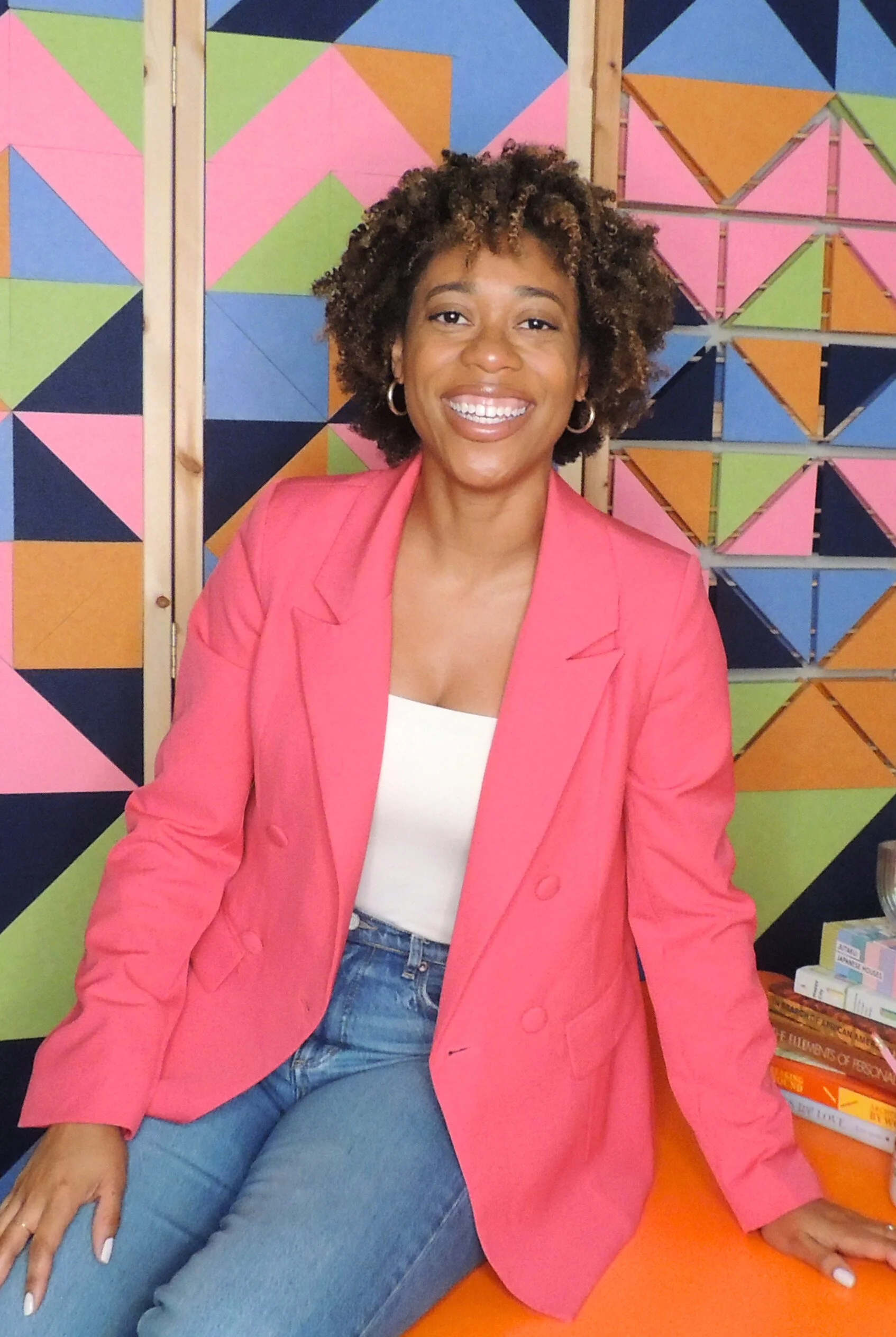
Whitni Irving, AIA, NOMA, LEED Green Associate, is an Architect and Urban Designer with 10 years of experience who is passionate about the intersection of architecture, diversity, and advocacy. As the 527th registered Black woman architect in the nation, she approaches the built environment as both a creative pursuit and a platform for advancing equity.
She is a co-author of Letters to Ms. 1000: Words of Wisdom from African American Women Architects, a collection of stories and insights from African American Women Architects in the U.S. to mentor and inspire the next generation. Her mission is to uplift marginalized communities by creating spaces that empower, educate, and foster connection.
Whitni’s fascination with urban landscapes and her commitment to enhancing user experience have been guiding forces throughout her career. Her portfolio spans installations, corporate interiors, life science fit-outs, and luxury high-rise hotels, each project driven by a belief that design can elevate artistry, expand access, and create opportunities for meaningful engagement.
Advocacy is central to Whitni’s design philosophy. Often the only Black woman in the room, she has learned the power of speaking up, challenging assumptions, and ensuring that diverse voices are not just represented but celebrated. Her leadership of BosNOMA (Boston Chapter for the National Organization for Minority Architects) reflects this commitment. Beginning as a Committee Co-Chair in 2020 to serving as BosNOMA President in 2024 and 2025, she has launched leadership pipelines, forged strategic partnerships, and championed initiatives that increased the chapter’s impact in the greater Boston community.
Whitni earned a Bachelor of Arts from Clemson University and both a Master of Architecture and Master of Urban Design from the University of North Carolina at Charlotte. Her academic and professional experiences inform her approach to practice using each project as an opportunity to advance equity and leave a lasting impact by honoring the past, empowering and educating the present, and building a more inclusive future.